This year, Watauga Orthopaedics celebrates 75 years of delivering expert musculoskeletal care across Northeast Tennessee and Southwest Virginia. With four busy clinics in Johnson City, Kingsport, Bristol, and Greeneville, and the Center for Advanced Bone and Joint Surgery, Watauga has built a strong regional presence while staying grounded in patient-first values.
Led by CEO Kimberly Wishon ...
You’ve chosen a new PACS system. The contract’s signed. You’re ready to move forward. But then… nothing happens.
Whether it’s a stalled kickoff, a slow data migration, or long gaps between meetings, delays in your PACS implementation can quietly erode the very benefits you set out to gain.
Here’s why putting off your go-live—or tolerating a sluggish rollout—can cost your practice more than ...
In orthopaedic imaging, delays aren’t always caused by slow scanners or heavy schedules. Often, the real issue starts before the scan even begins—with the imaging protocol.
Outdated or unclear protocols create friction throughout the workflow. They lead to longer exam times, missed findings, vague reports, and repeat scans. And yet, protocols are rarely reviewed until problems start to pile ...
Every orthopaedic practice offers imaging. But not every practice uses it to stand out.
Imaging is often treated as routine—a box to check on the way to diagnosis. But when done right, it can quietly become one of your strongest competitive tools.
Think Beyond the Scan
Patients don’t judge your imaging workflow—but they do feel its effects. Faster appointments. Quicker answers. Less ...
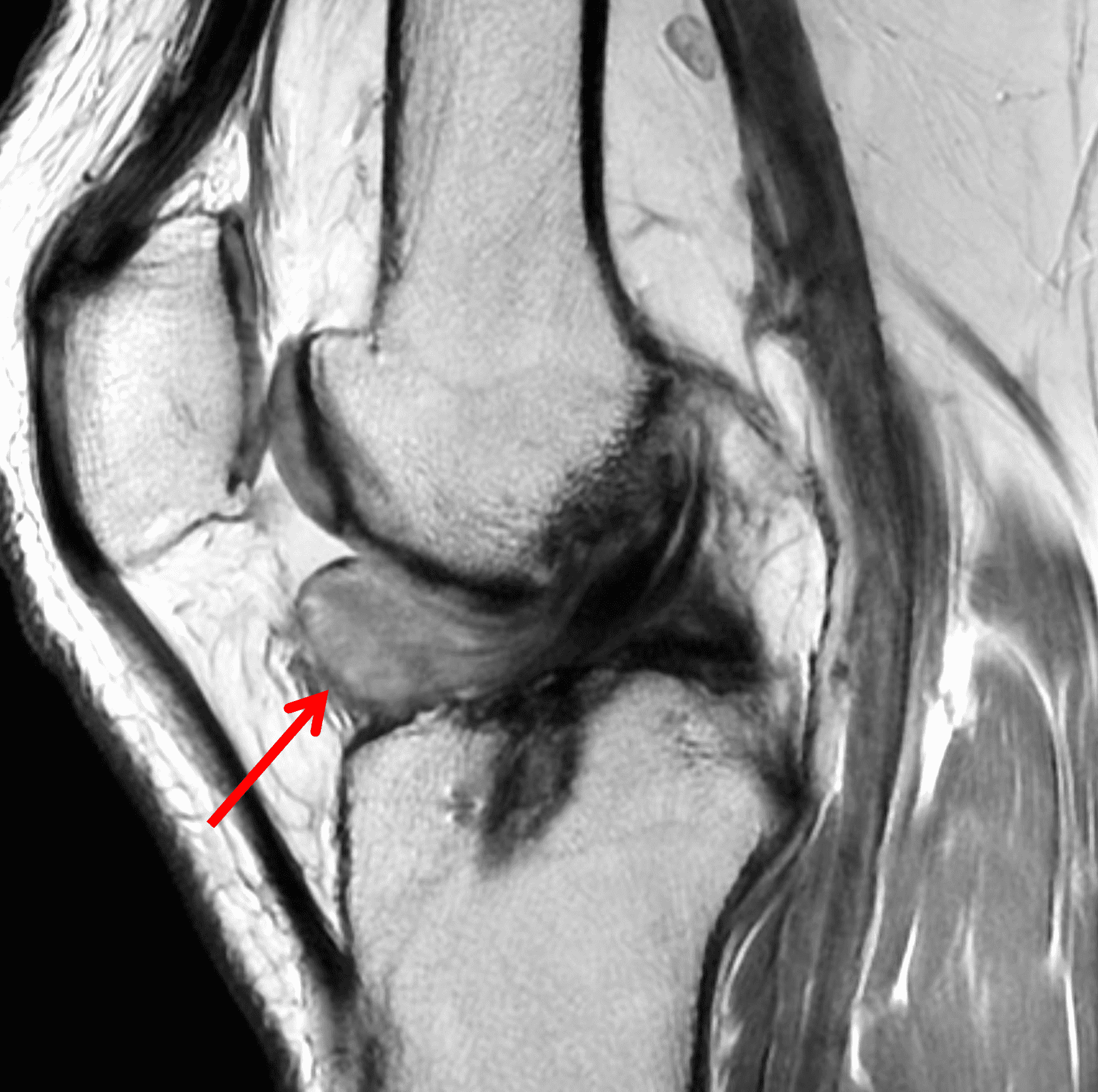
If you’ve ever had an X-ray, CT scan, or MRI, you might assume the process is the same for everyone. But behind the scenes, radiology is anything but one-size-fits-all. One of the most important—but least talked about—parts of medical imaging is something called an imaging protocol. It’s not a medical mystery—just a smart system that helps radiologists get the best possible pictures for each ...