I’ve always been fascinated by space. I’m intrigued by the scale of it, the curiosity it sparks, and the courage it takes to leave Earth’s gravity behind. So a recent Radiology Business article on how extended spaceflight changes the human brain immediately grabbed my attention.
Using MRI, researchers observed subtle shifts in brain position during prolonged exposure to microgravity. When ...
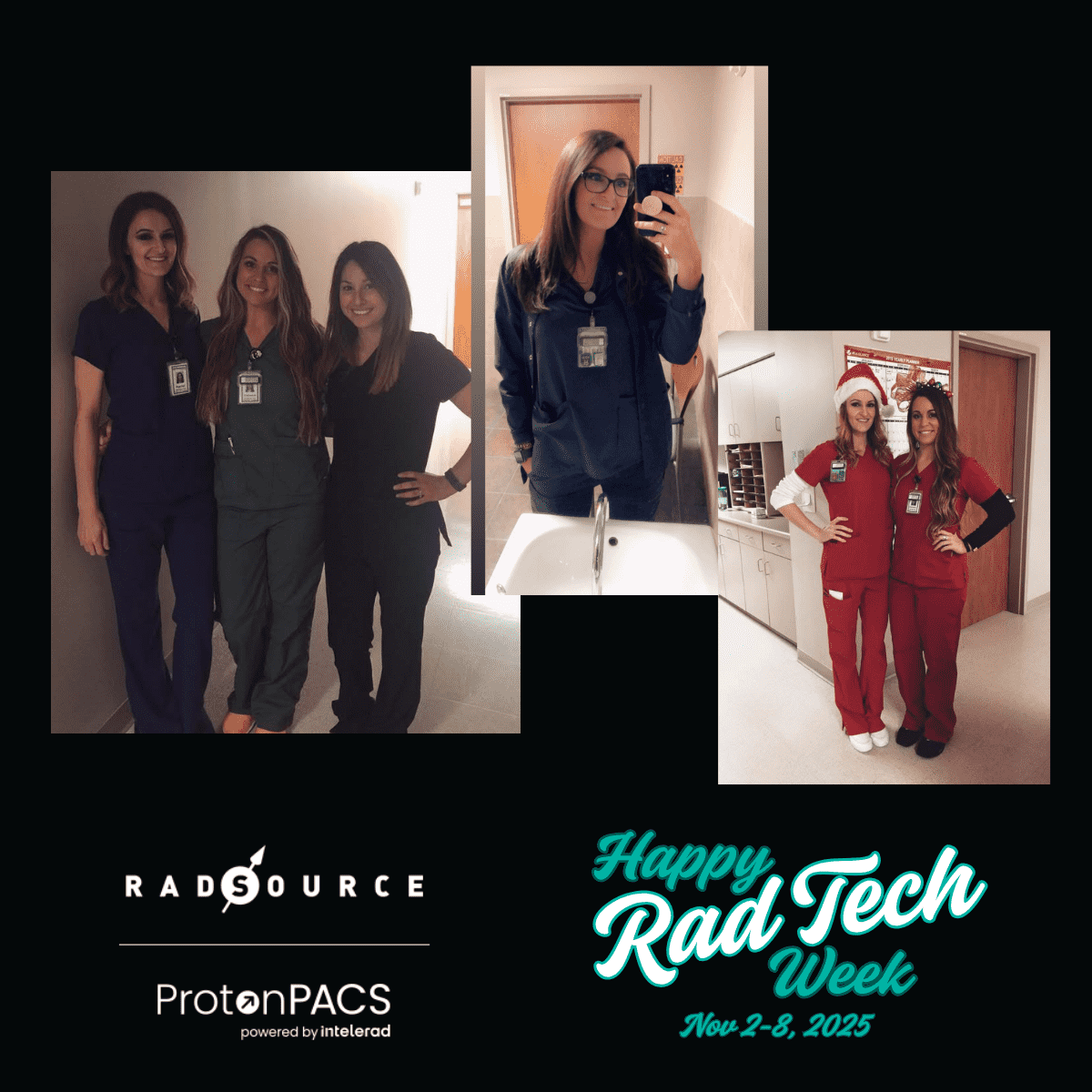
My name is Rachel Hinton, and I’ve worked at Radsource as an Application Implementation Specialist for over six years. Before joining Radsource, I was the lead X-ray technologist on the evening shift at a hospital here in Tennessee. Those years behind the console taught me more than just positioning and technique — they showed me the incredible balance every technologist maintains between ...
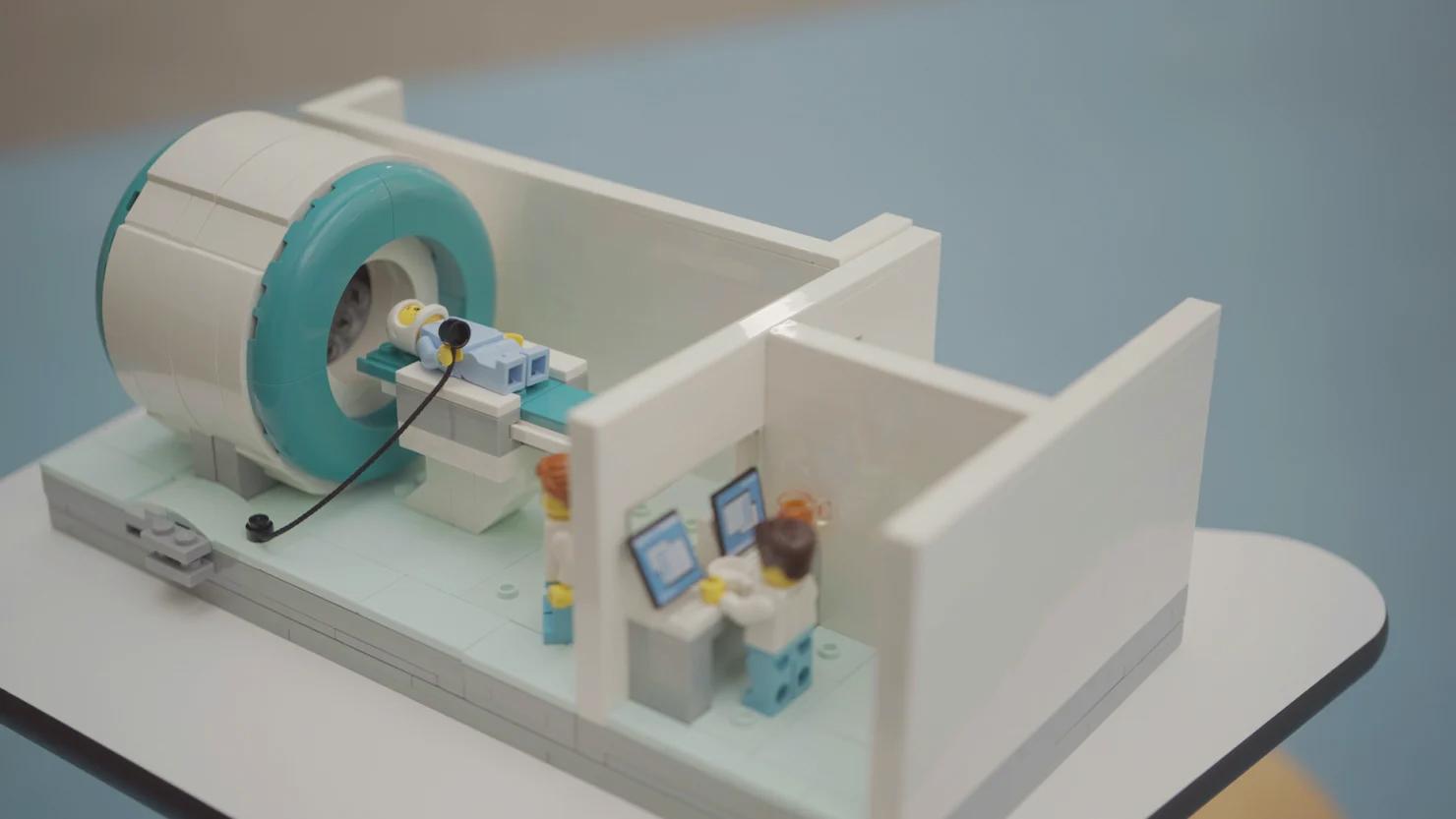
An MRI can be overwhelming for anyone — but for children, the experience is often frightening enough to require sedation. Now, a creative solution is making a real difference: a LEGO MRI scanner.
As reported by CNBC, hospitals around the world are using LEGO models to help children understand what to expect during an MRI. Developed by LEGO employee and former radiographer Erik Ulven, the ...
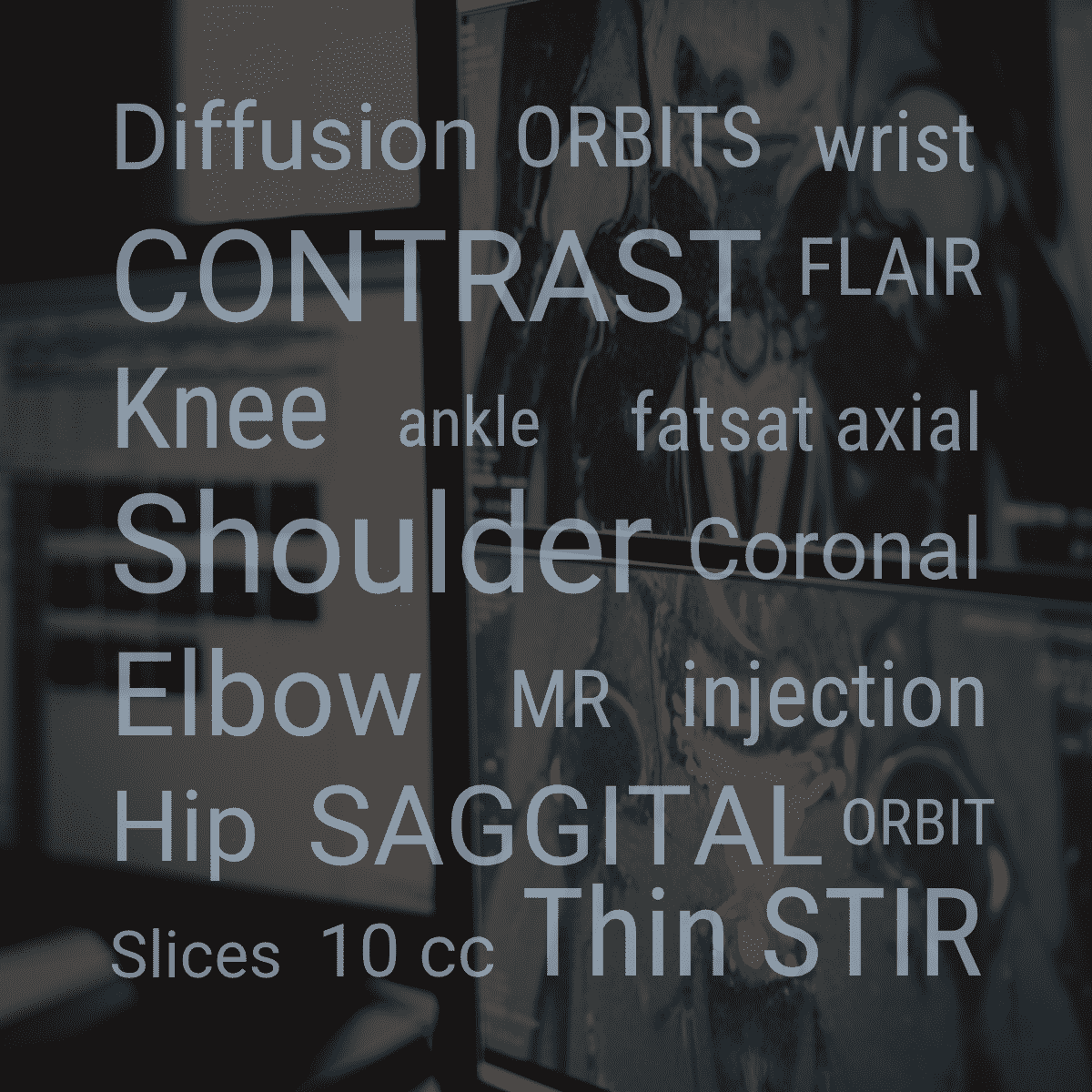
If you’ve ever had an X-ray, CT scan, or MRI, you might assume the process is the same for everyone. But behind the scenes, radiology is anything but one-size-fits-all. One of the most important—but least talked about—parts of medical imaging is something called an imaging protocol. It’s not a medical mystery—just a smart system that helps radiologists get the best possible pictures for each ...
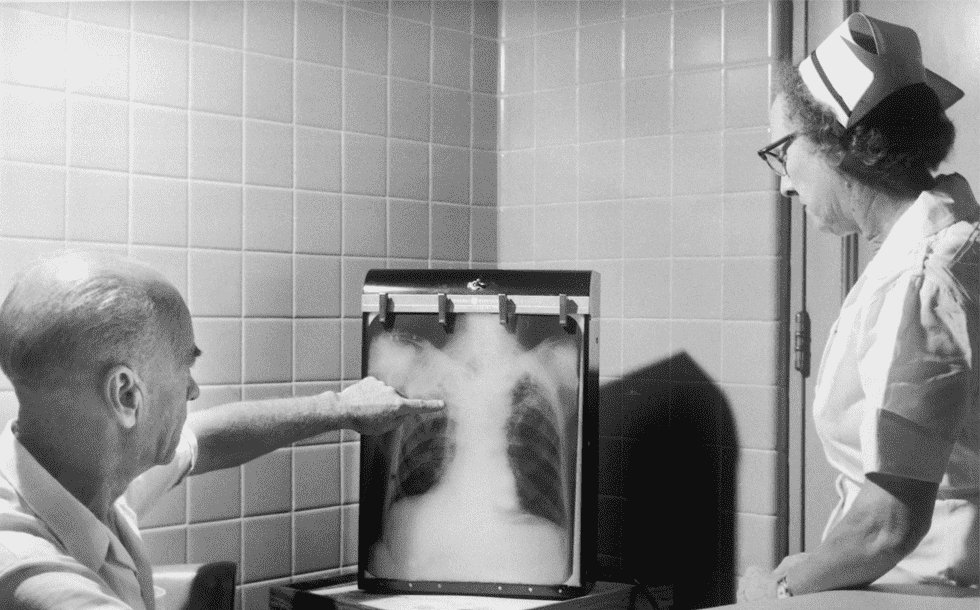
In 1948, radiologists and technicians in West Chester, Pennsylvania, successfully transmitted an X‑ray image via standard telephone lines to a hospital in Philadelphia, approximately 24 miles away. This transmission is recognized as the world's first documented instance of teleradiology, paving the way for remote medical imaging.1
The team converted a static X‑ray film into analog ...