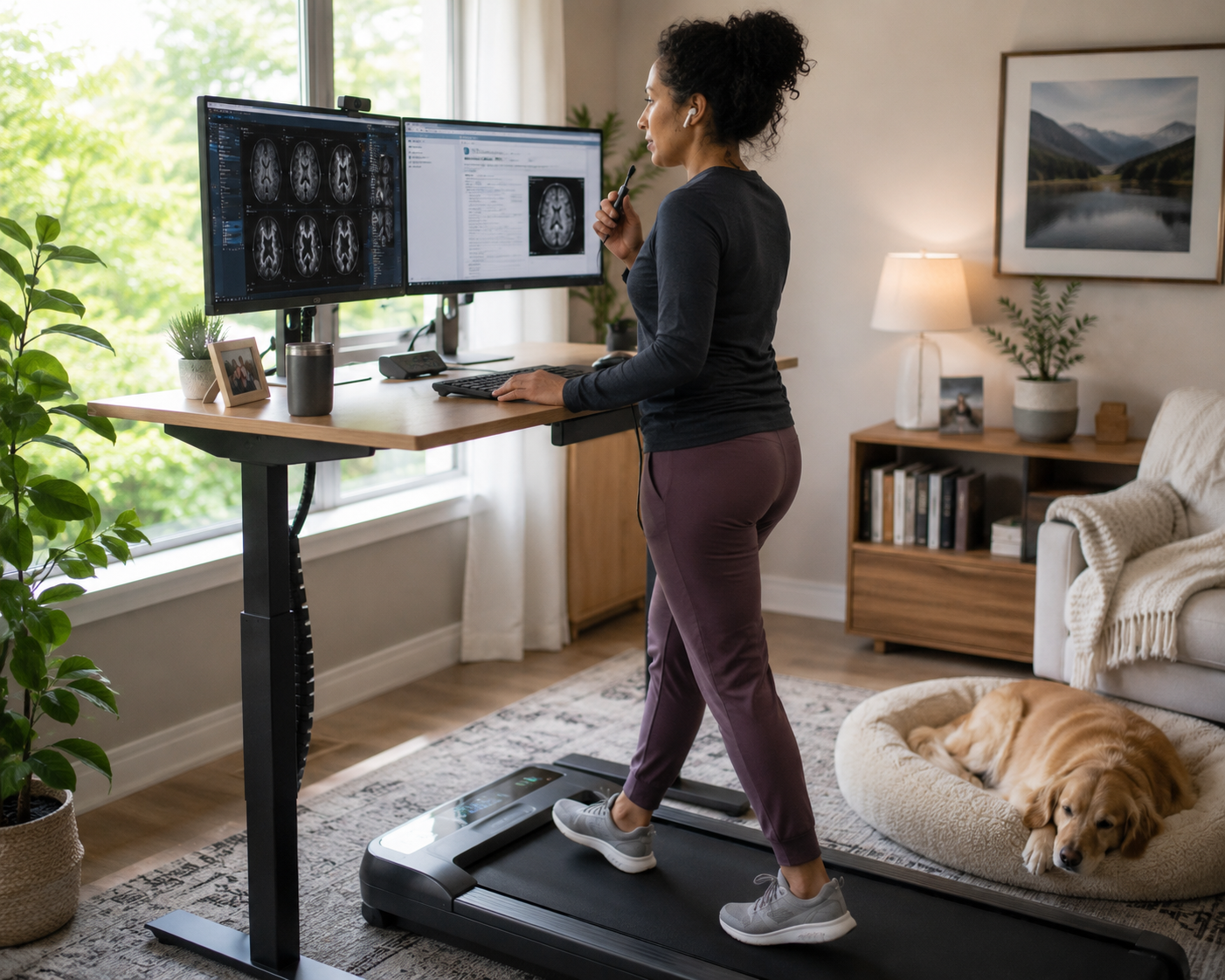
Most orthopedic and spine surgeons review the MRI themselves before they ever open the radiology report. That's expected, and it should stay that way. A subspecialty radiologist isn't trying to replace that read. The value is in what a separate, systematic assessment of the entire study adds alongside it.
A second, independent look
A radiologist working through a study isn't ...
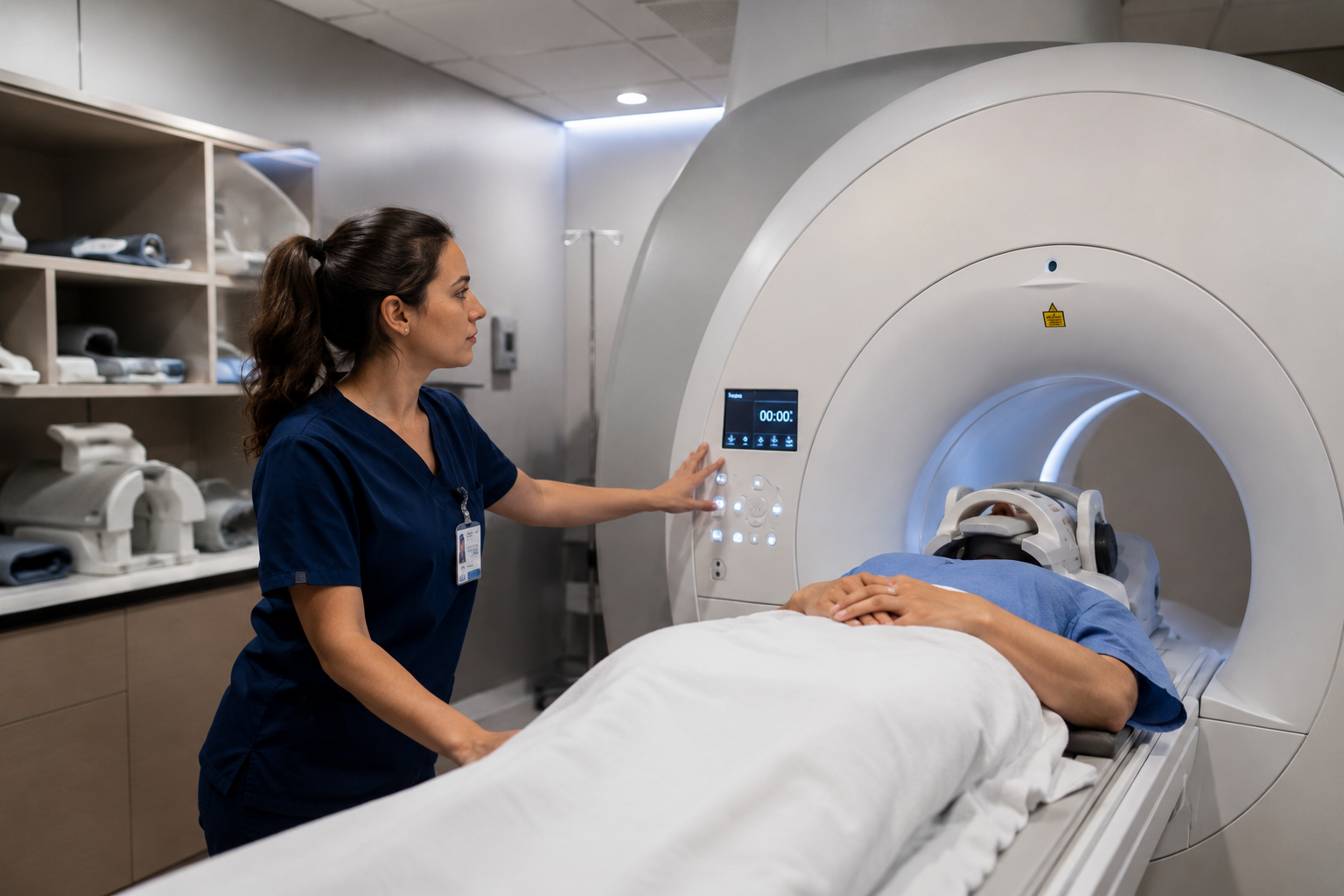
MRI technologists are balancing a lot right now. Packed schedules. Difficult positioning. Anxious patients. Pressure to keep exams moving.
But even in a high-volume environment, the technologist still plays one of the biggest roles in determining whether a study ends up truly diagnostic.
Because image quality is rarely about one big thing. It’s usually a series of small decisions that ...
The AMA’s warning about using AI for diagnosis and treatment decisions gets to the heart of a growing issue in healthcare: access to information is not the same thing as medical expertise.
AI tools can be helpful for simplifying terminology, organizing information, or helping patients prepare questions for their physician. But there is a major difference between gathering information and ...
I talk to radiologists every day. MSK specialists, neuro rads, people who have been reading for five years and people who have been reading for twenty. And somewhere around the mid-career mark, the conversation almost always changes.
Early on, it's about compensation. That makes complete sense — training is long, debt is real, and you've earned the right to care about what you're paid. ...
When an orthopedic surgeon orders an MRI, the assumption is that a radiologist will read it. What is rarely asked — and rarely specified in a teleradiology contract — is what kind of radiologist.
That distinction carries real clinical consequences, and the published literature is consistent on the point.
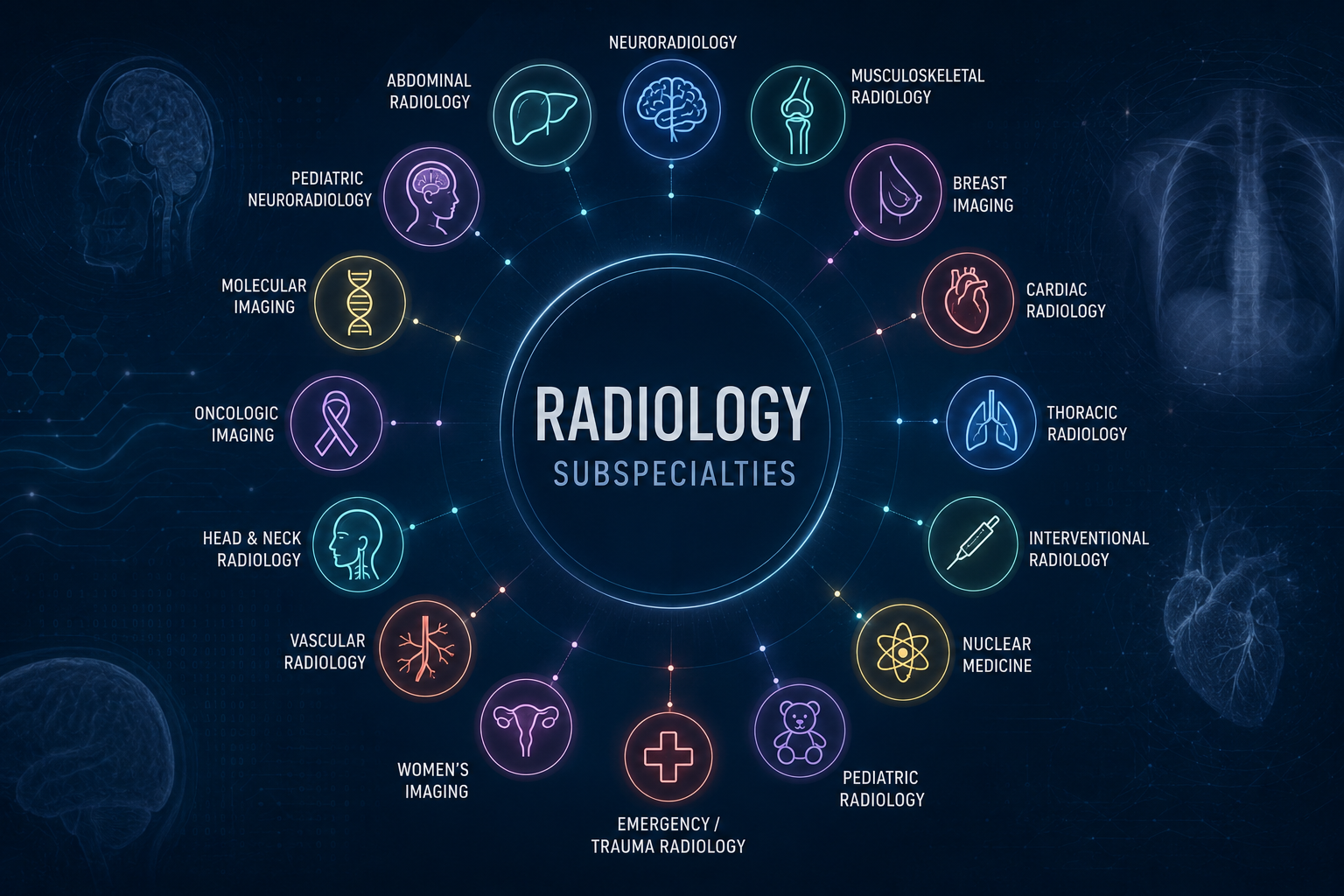
The Subspecialty Difference
Modern radiology encompasses more than a dozen ...